
Why seafood safety matters more than ever — including the growing awareness around ciguatera poisoning
Australians are under pressure. Grocery prices remain high, household budgets are stretched, and many families are trying to make every dollar count. But while consumers look for savings, there is one area where shortcuts can become dangerous very quickly — food safety.
The Food Safety Information Council recently warned Australians not to compromise their health by taking food safety “short cuts” during the current cost-of-living crisis. Their message is important and timely. Food poisoning can lead to serious illness, lost work, hospitalisation and long-term health impacts — all of which create far greater costs than the few dollars saved by taking risks with food.
Seafood remains one of the healthiest, most nutritious and versatile proteins available to Australian consumers. But like all foods, it must be handled correctly — from the harvest through to the family dinner table.
For seafood consumers, there are two key issues currently worth understanding:
1. Everyday food safety and handling at home.
2. The increasing awareness of ciguatera fish poisoning in northern Australian waters.
The Hidden Risk of “Cheap Food”
Many Australians are now:
• buying larger quantities and freezing food,
• keeping leftovers longer,
• purchasing discounted products close to expiry,
• switching off fridges or freezers to save electricity,
• or relying on informal food sales and unknown supply chains.
The Food Safety Information Council warns that these practices can increase risks if not managed correctly.
Seafood, in particular, requires careful temperature control. Fresh seafood should generally be kept below 5°C and frozen seafood should remain solidly frozen until use. If seafood has been left unrefrigerated too long, smells unusual, or has questionable storage history, consumers should not take the risk.
At SCA, we strongly support the message that affordability should never come at the expense of safety.
Seafood Is Safe — But Consumers Need Good Information
Importantly, Australians should not be frightened away from seafood.
Australia has one of the safest seafood supply systems in the world. Professional seafood businesses, wholesalers, retailers and markets operate under strict food safety regulations and handling protocols.
The challenge is not seafood itself — it is poor handling, misinformation, and in some cases naturally occurring marine toxins that consumers may not fully understand.
One growing issue receiving attention is ciguatera poisoning.
What Is Ciguatera Poisoning?
Ciguatera poisoning is caused by naturally occurring toxins produced by tiny marine organisms called dinoflagellates that live on algae in tropical reef waters. Small fish consume the algae, larger predatory fish eat those fish, and the toxin accumulates up the food chain.
The important point for consumers is this:
You cannot see, smell or taste ciguatera toxin. Cooking, freezing or cleaning the fish will not remove it.
Queensland Health notes that most Australian cases are linked to reef fish caught in Queensland waters, with species such as Spanish Mackerel and Coral Trout commonly implicated. Between 2015 and 2024, Queensland recorded 35 outbreaks involving 122 people, plus additional sporadic cases.
Recent reports from Far North Queensland, including the Cassowary Coast region, have again highlighted the issue after several people became ill following consumption of tropical reef fish.
Symptoms can include:
• nausea,
• vomiting,
• diarrhoea,
• muscle pain,
• tingling sensations,
• temperature reversal sensations (hot feels cold),
• fatigue,
• and neurological complications that may persist for weeks or months.
Sydney Fish Market’s Strong Preventative Approach
One of the most important points often missed in media reporting is that Australia already has excellent risk-management systems in place.
Sydney Fish Market has developed strict handling and sourcing guidelines to reduce ciguatera risks entering the wholesale seafood chain.
According to Sydney Fish Market guidelines and NSW Food Authority advice, controls include:
• rejecting fish from known high-risk areas,
• restricting certain species,
• and imposing maximum size limits on higher-risk tropical fish species.
The NSW Food Authority specifically references Sydney Fish Market’s “Schedule of Ciguatera High-Risk Areas & Species Size Limits” as an important industry control measure.
Notably, Sydney Fish Market states that since these guidelines were introduced, there have been no known reported cases linked to fish sold through their wholesale auction system.
That is a significant achievement and demonstrates the value of science-based food safety management.
Climate Change, Algae and Future Risks
Researchers are increasingly studying whether warming waters and changing marine conditions could expand ciguatera risk zones further south.
Recent Queensland research identified toxic algae species linked to ciguatera in areas such as Hervey Bay, with scientists calling the findings “concerning.”
This does not mean consumers should panic. It means Australia needs:
• ongoing scientific monitoring,
• stronger public awareness,
• improved traceability,
• and continued cooperation between industry, researchers, governments and consumers.
Practical Advice for Seafood Consumers
SCA encourages consumers to continue enjoying seafood while following sensible food safety practices:
At Home
• Keep seafood refrigerated below 5°C.
• Freeze seafood promptly if not using immediately.
• Defrost seafood in the fridge, not on the kitchen bench.
• Avoid cross-contamination with raw meats.
• Reheat leftovers thoroughly.
When Buying Seafood
• Buy from reputable seafood retailers and markets.
• Ask questions about species and origin.
• Be cautious with unusually large tropical reef fish from northern waters.
• Follow local health warnings regarding recreationally caught fish.
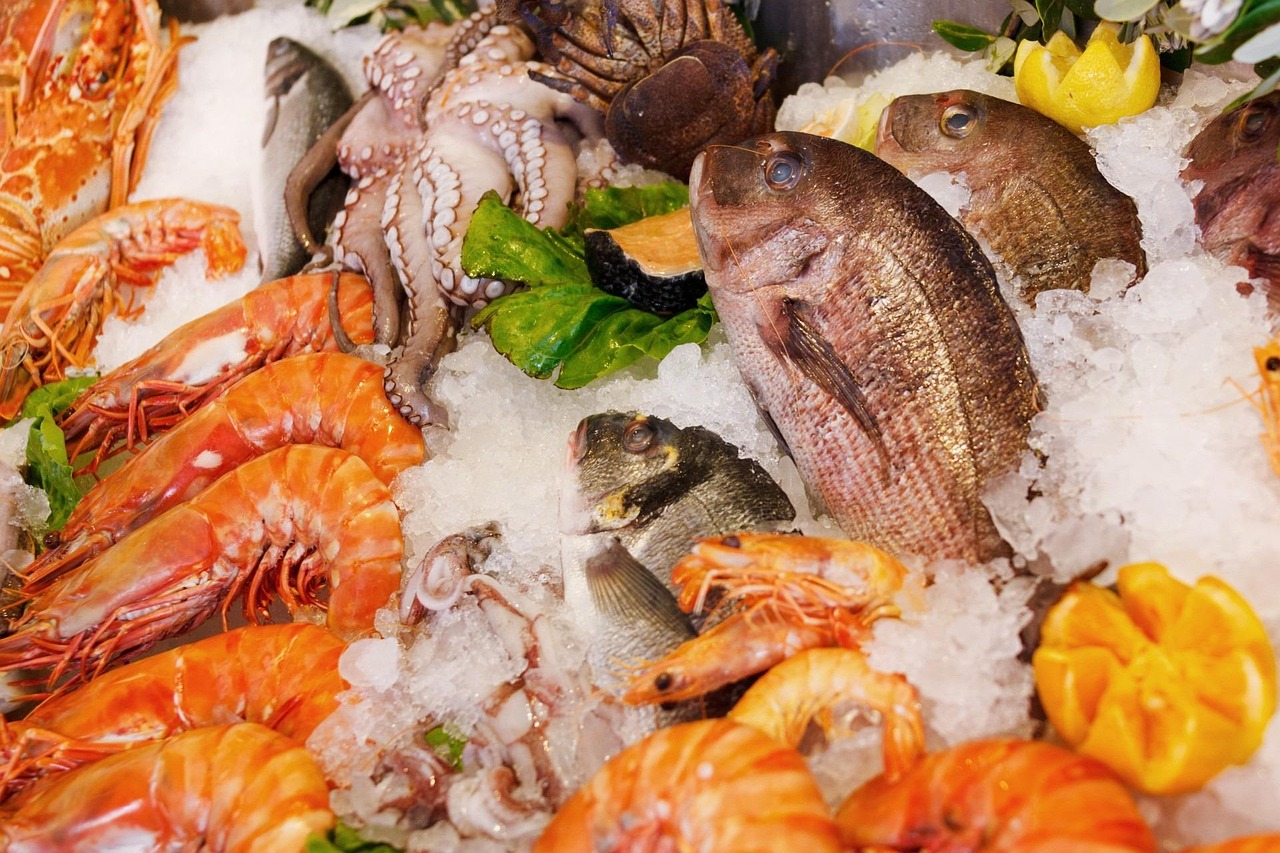
See this photo - note cooked and raw product together - this s basic cross contamination error you often see in retailers - cooked should be separated from raw at all times…..
Regarding Ciguatera
• Higher-risk species include large Spanish Mackerel, Coral Trout, Chinaman Fish and Red Bass.
• Avoid consuming fish heads, roe and liver from tropical reef fish because toxins may concentrate there.
• Recreational fishers should follow state fisheries and food authority guidance carefully.
The Bigger Message
The cost-of-living crisis is real. Australians are doing it tough. But food safety must remain non-negotiable.
Seafood is too important nutritionally, culturally and economically to be undermined by poor information or unsafe practices. The answer is not to stop eating seafood — the answer is better education, stronger traceability, proper handling and informed consumers.
At SCA, we believe consumers deserve:
• safe seafood,
• truthful information,
• transparent supply chains,
• and confidence that Australia’s seafood systems are working in the public interest.
Good seafood should nourish Australians — not make them sick.
And that starts with respecting food safety from ocean to plate.
.jpg)
Comments
No comments yet.